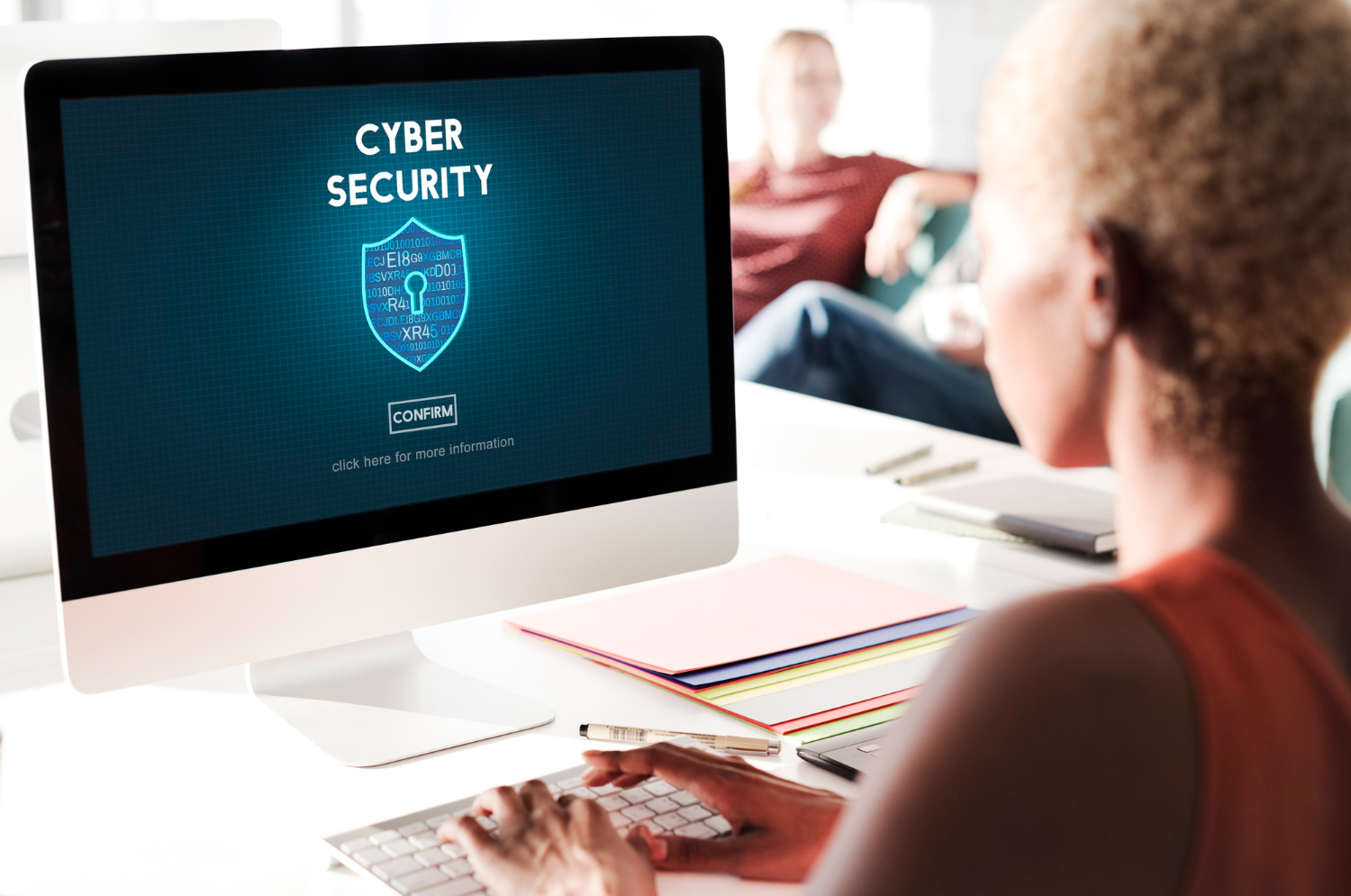

Your Guide to Staying Safe Online: The internet is a great tool. But you need to be careful. Here are some simple tips to protect yourself.
Contents
Create Strong Passwords
- Make them long and strong. Use a mix of letters, numbers, and symbols. For example, use a phrase like “MyCatLoves2SleepOnTheBed!”
- Use different passwords everywhere. Do not use the same password for social media and your bank account.
- Consider a password manager. These apps remember all your passwords for you. You only need to remember one master password.
Protect Your Personal Information
- Think before you post. Never share your address, phone number, or school name publicly.
- Be careful on social media. Set your profiles to private. Only accept friend requests from people you know in real life.
- It’s okay to keep things private. You do not have to share everything online.
Be Smart About What You Click
- Beware of strange links. Do not click links in emails or messages from people you don’t know. They could be scams.
- Watch for grammar mistakes. Many scam messages have spelling errors or sound weird.
- If an offer seems too good to be true, it probably is. Free game cheat codes or prize winnings are often traps.
Be Kind and Careful Online
- Think about your digital footprint. Everything you post online is permanent. Even if you delete it, someone might have saved it.
- Be respectful. Treat people online how you would treat them in person. Cyberbullying is a serious issue.
- Talk to someone you trust. If you see something online that makes you uncomfortable, tell a parent, teacher, or guardian.
Use Security Tools
- Keep your software updated. Always install updates for your apps, phone, and computer. These updates often fix security holes.
- Turn on two-factor authentication (2FA). This adds an extra step to logging in, like a code sent to your phone. It makes your accounts much safer.
Staying safe online is about being aware. Think before you click. Protect your information. You’ve got this